
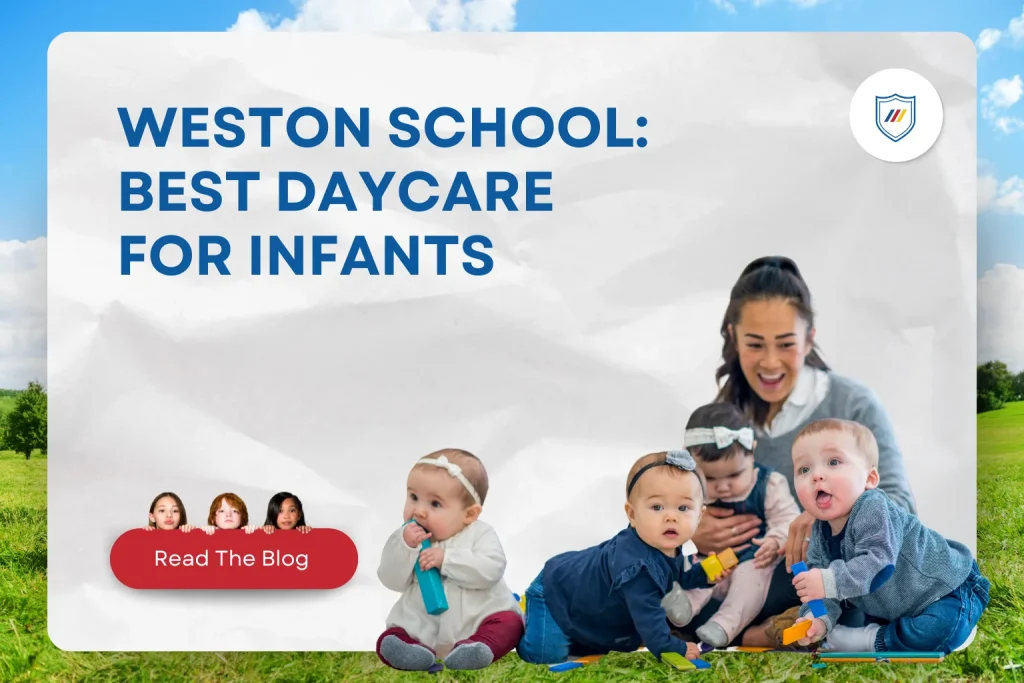
Choosing infant daycare is one of the biggest decisions a parent can make.
When your baby is only a few weeks or months old, you are not just looking for supervision. You are looking for a safe, nurturing, responsive environment where your child can feel secure, cared for, and supported during the earliest stages of development.
At The Weston School, our infant daycare programs are designed for babies beginning at 6 weeks old. We provide attentive infant care, safe routines, age-appropriate learning experiences, and consistent parent communication to help families feel confident from drop-off to pick-up.
Our goal is simple: to support your baby’s growth in a warm, secure, and developmentally appropriate environment while partnering with your family every step of the way.
Why Infant Daycare Matters
High-quality infant daycare can play an important role in a child’s early development. During the first years of life, babies are learning through every interaction, routine, sound, movement, and relationship.
A safe infant care program gives babies opportunities to build trust, develop early communication skills, explore their environment, and begin forming the foundation for social, emotional, physical, and cognitive growth.
For working families, infant daycare also provides structure, consistency, and peace of mind. Parents can go through their day knowing their baby is cared for by trained caregivers who understand the needs of infants and early childhood development.
Key Benefits of Infant Daycare
1. Brain Development Through Early Interaction
Infants learn through connection. Every song, story, facial expression, sound, and responsive interaction helps support early brain development.
In a nurturing daycare environment, caregivers engage babies through talking, singing, reading, tummy time, sensory play, and one-on-one attention. These simple daily moments help support early language, memory, focus, and emotional security.
At The Weston School, infant care is not passive. Our caregivers intentionally support development through age-appropriate activities that help babies observe, explore, respond, and grow.
2. Social and Emotional Growth
Even before children can speak, they are learning how relationships work.
Infants begin developing social and emotional skills through consistent interactions with caring adults. They learn to recognize familiar voices, respond to facial expressions, express needs, and build trust with caregivers.
A high-quality infant daycare program helps babies feel safe and connected. That emotional security gives children the confidence to explore, interact, and eventually build positive relationships with peers and teachers.
3. Healthy Routines and Daily Structure
Babies thrive when they have consistent, loving routines.
Infant daycare helps support healthy daily rhythms around feeding, naps, diaper changes, play, and rest. These routines help babies feel secure because they begin to understand what comes next.
At The Weston School, we respect each infant’s individual needs while gradually supporting healthy routines as they grow. We work with families to understand feeding schedules, nap preferences, comfort needs, and developmental milestones.
4. Early Language and Communication Skills
Language development begins long before a child says their first word.
Caregivers support infant communication by talking throughout the day, reading books, singing songs, using simple signs, responding to babbles, and encouraging eye contact. These interactions help babies begin to understand sounds, words, emotions, and early conversation patterns.
Our infant teachers use warm, responsive communication to help children feel heard, understood, and connected.
5. Physical and Motor Skill Development
Infants grow quickly, and each stage brings new movement milestones.
A strong infant care program gives babies safe opportunities to practice tummy time, reaching, grasping, rolling, sitting, crawling, standing, and eventually walking. These activities support gross motor skills, fine motor coordination, strength, balance, and confidence.
The Weston School provides age-appropriate spaces, toys, and caregiver-guided activities to support each baby’s physical development at their own pace.
What Makes Infant Daycare at The Weston School Different?
Not all daycare programs are the same. Infant care requires patience, training, consistency, and a deep understanding of how babies grow.
At The Weston School, we focus on safety, nurture, communication, and early learning. Our infant classrooms are designed to support each child’s individual needs while giving parents confidence that their baby is in a caring and secure environment.
A Safe and Nurturing Environment
Safety is one of the most important parts of infant daycare.
Our infant spaces are designed to support babies as they rest, eat, play, crawl, explore, and grow. We focus on clean classrooms, age-appropriate materials, safe sleep practices, secure spaces, and attentive supervision.
Parents deserve to know that their child is protected, cared for, and treated with tenderness throughout the day.
Trained and Caring Infant Caregivers
Infants need caregivers who are patient, attentive, and responsive.
Our caregivers are trained to support the unique needs of babies, including feeding, diapering, soothing, developmental activities, emergency procedures, and daily communication with families.
Beyond training, our infant caregivers bring warmth and compassion into each interaction. They help babies feel safe, loved, and supported.
Age-Appropriate Learning Experiences
Infant daycare should support development without rushing childhood.
At The Weston School, learning happens through play, movement, sensory exploration, music, books, facial expressions, caregiver interaction, and safe discovery. These early experiences help babies develop curiosity, confidence, and connection.
Every baby grows at their own pace, and our caregivers meet children where they are developmentally.
Parent Communication and Partnership
Parents should never feel disconnected from their baby’s day.
We believe communication is a key part of quality infant care. Families are kept informed about daily routines, feeding, naps, diaper changes, activities, milestones, and important updates.
This partnership helps parents feel reassured and involved while giving caregivers the information they need to support each child well.
Infant Daycare Safety and Security
When parents search for infant daycare, safety is often the first concern.
At The Weston School, we take that responsibility seriously. Our programs include secure entry practices, attentive supervision, safe classroom environments, and health and cleanliness routines that help protect infants throughout the day.
Health and Cleanliness Practices
Infants are still developing their immune systems, so cleanliness matters.
Our team focuses on regular handwashing, sanitizing toys and surfaces, safe diapering procedures, clean feeding areas, proper food and bottle handling, and illness prevention practices. These daily habits help create a healthier environment for babies, teachers, and families.
Secure Infant Classrooms
A quality infant care environment should feel calm, organized, and safe.
Our infant classrooms are designed with babies in mind, including spaces for rest, feeding, diapering, play, tummy time, and early exploration. This helps support a predictable and comfortable daily experience.
Infant Learning and Development at The Weston School
Our infant daycare program supports the whole child.
That means we focus on more than basic care. We support physical, social, emotional, cognitive, and language development through intentional, age-appropriate experiences.
Motor Skills
Infants are encouraged to build strength and coordination through safe movement. Caregivers support reaching, grasping, rolling, sitting, crawling, standing, and walking as children become ready.
Social Development
Babies begin learning social skills through warm caregiver interaction. They learn to respond to voices, facial expressions, emotions, and familiar people.
Cognitive Skills
Infants learn by exploring the world around them. Cause-and-effect toys, sensory materials, repetition, and simple problem-solving activities help support early thinking skills.
Language and Literacy
Caregivers support language development through talking, singing, reading, sign language, and one-on-one interaction. These early experiences help babies begin building communication skills.
What Should Parents Look for in Infant Daycare?
When choosing infant daycare, parents should look for:
A safe and clean environment
Caring and trained infant caregivers
Clear daily routines
Strong parent communication
Developmentally appropriate activities
Secure entry and classroom procedures
A nurturing atmosphere where babies feel loved
A program that supports early learning without rushing development
The right infant daycare should give parents peace of mind and help babies feel safe, secure, and supported.
Schedule a Tour of The Weston School
If you are searching for infant daycare near you, The Weston School would love to help you learn more about our programs and our 5 Central Indiana Early Education Schools.
- The Weston School – Avon
- The Weston School – Indianapolis
- The Weston School – Noblesville East
- The Weston School – Noblesville West
- The Weston School – Speedway
Our infant care is designed to support your baby’s early growth through safe routines, nurturing caregivers, parent communication, and developmentally appropriate learning experiences.
Schedule a tour today to see how The Weston School helps babies feel safe, loved, and ready to grow.